
Opening a retail franchise store is an exciting step for first-time entrepreneurs, but it requires careful planning and execution. Many retail franchise investments fail not because of the brand, but due to gaps in lease negotiation, store setup, or statutory approvals. A structured checklist helps investors avoid costly delays, compliance issues, and budget overruns.
This commercial checklist is designed for new and aspiring retail franchise owners who want a smooth, compliant, and profitable store launch—right from site selection to opening day.
1. Franchise Agreement & Brand Onboarding
Before signing a lease or starting store interiors, investors must finalize all franchise-level documentation. This stage sets expectations around costs, timelines, and operational responsibilities.
Understanding the franchise agreement clearly protects investors from future disputes and ensures alignment with the brand’s long-term vision.
- Review franchise agreement terms and tenure
- Confirm franchise fee, royalty, and marketing charges
- Understand territory exclusivity and renewal clauses
2. Location Selection & Lease Finalization
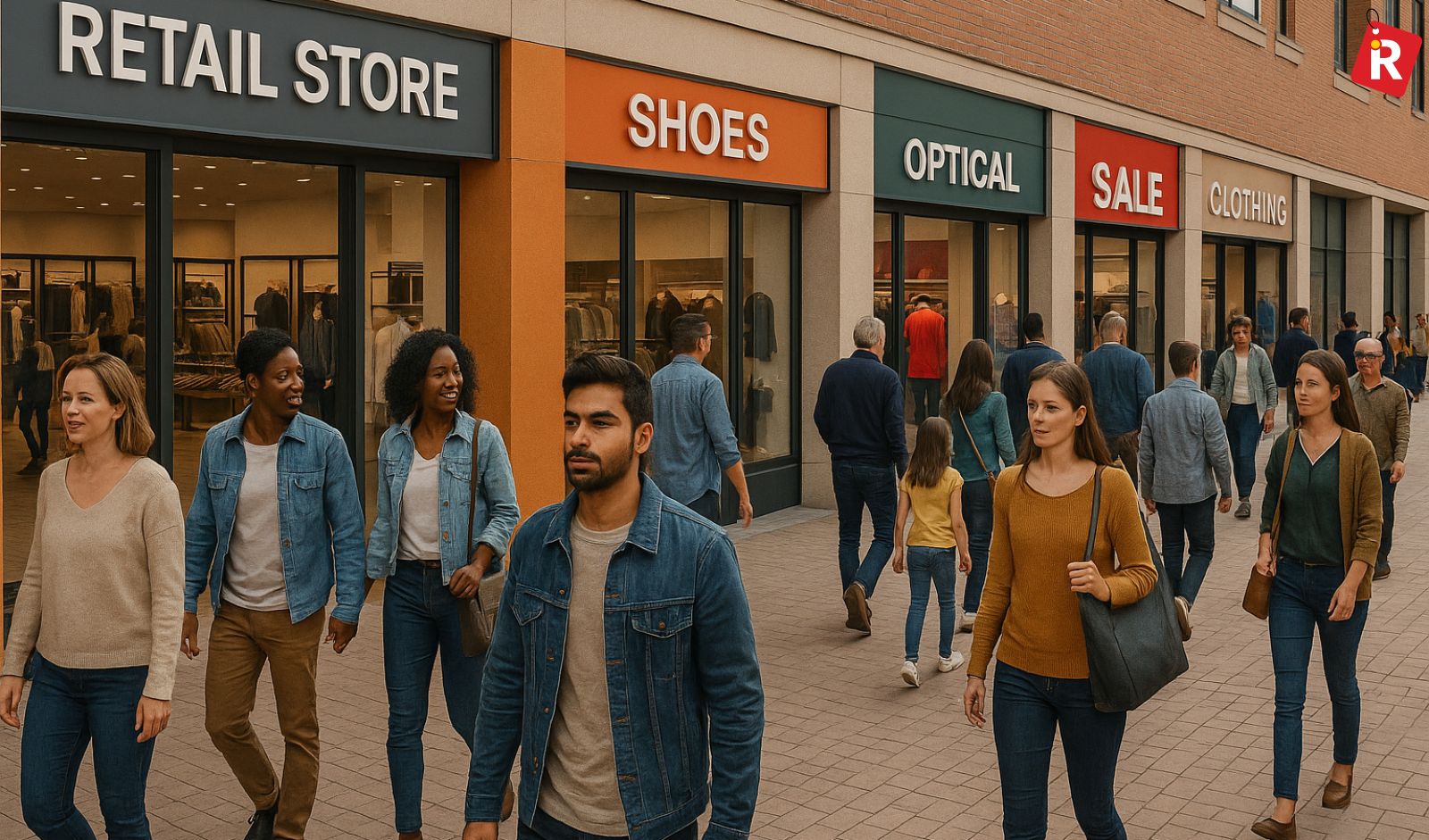
Location is one of the most critical success factors in retail franchising. Even the strongest brands depend heavily on visibility, accessibility, and footfall quality.
A well-negotiated lease ensures cost control and operational flexibility during the initial years.
- High-footfall commercial area or mall
- Minimum lease tenure of 5–9 years
- Lock-in period and rent escalation clarity
3. Legal & Statutory Approvals
Retail franchise stores in India must comply with multiple local, state, and central regulations. Missing approvals can delay store launches or lead to penalties.
Completing approvals early ensures a smooth opening and avoids last-minute compliance stress.
- Shop & Establishment registration
- GST registration
- Trade license from local authorities
- Fire safety NOC (if applicable)
4. Store Design, Interiors & Fit-Out
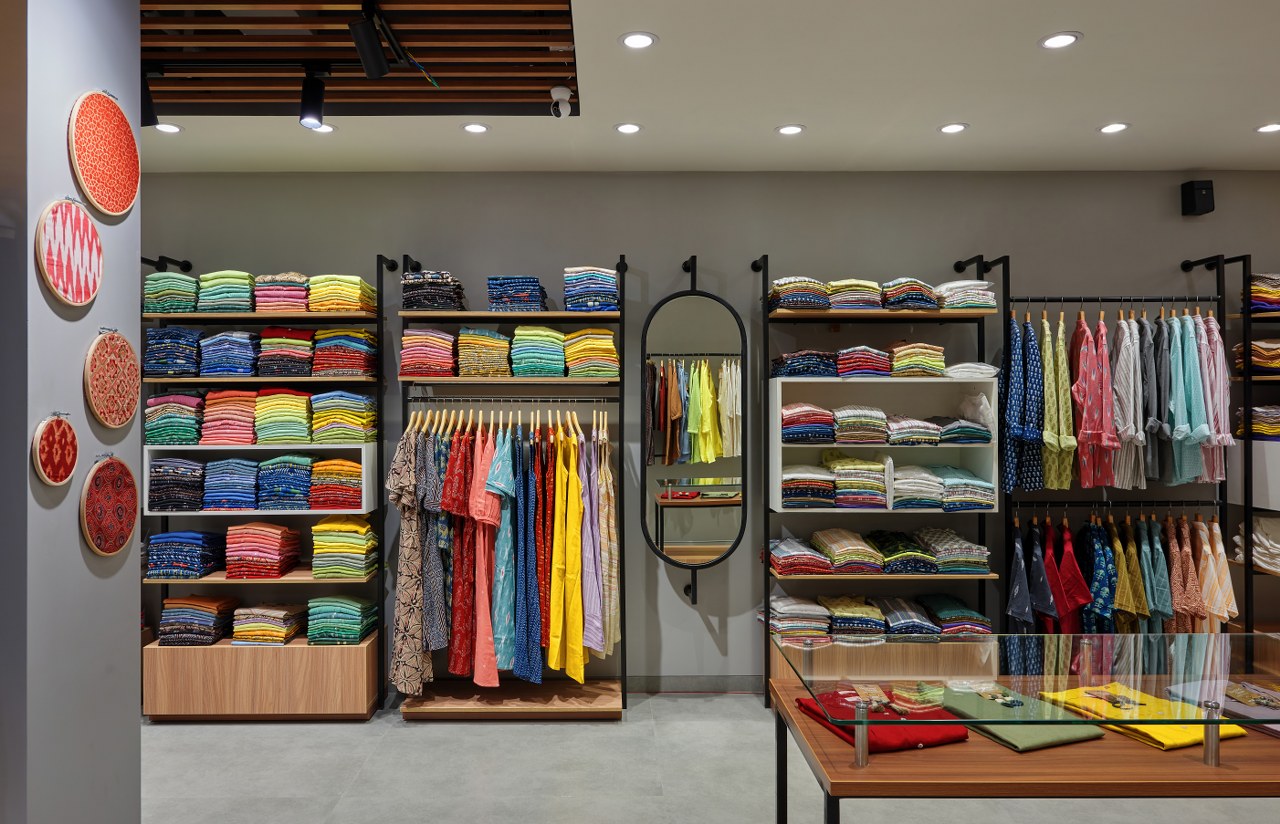
Once the lease is signed, store setup begins. Most franchisors provide design layouts and brand guidelines to maintain uniformity across outlets.
Timely execution of interiors is essential to avoid cost overruns and opening delays.
- Brand-approved layout and elevation
- Electrical, lighting, and signage setup
- Trial run and quality inspection

5. Inventory Planning & Supply Chain Setup
Inventory planning directly impacts cash flow and early-stage profitability. Overstocking can block capital, while understocking can lead to missed sales.
Franchisors usually assist with initial stock planning based on store size and expected demand.
- Initial stock order as per brand norms
- Storage and inventory tracking system
- Vendor and replenishment process setup
6. Staffing, Training & Operations
Retail operations depend heavily on frontline staff performance. Hiring the right team and training them as per brand SOPs ensures a consistent customer experience.
This stage also prepares the store for day-to-day operations post-launch.
- Staff hiring (sales, cashier, manager)
- Brand training and SOP orientation
- POS billing and reporting setup
7. Pre-Launch Marketing & Store Opening
A strong pre-launch plan creates awareness and drives footfall from day one. Brands often support launch marketing, but local activation is equally important.
This phase sets the tone for the store’s initial performance.
- Local promotions and signage
- Soft launch and trial operations
- Grand opening marketing activities

8. Post-Launch Monitoring & Support
The first 90 days after opening are critical for stabilizing operations. Monitoring sales, expenses, and customer feedback helps optimize performance early.
Regular interaction with the franchisor ensures issues are resolved quickly.
- Daily sales and expense tracking
- Inventory movement analysis
- Ongoing franchisor support and audits
Conclusion
Opening a retail franchise store involves far more than selecting a brand. From lease negotiation and statutory approvals to store setup and launch execution, every step impacts long-term profitability. Following a structured checklist for opening a retail franchise store helps investors reduce risk, control costs, and achieve faster breakeven.
For first-time franchise investors, expert guidance can make the difference between a smooth launch and an expensive learning curve.
🚀 Need Expert Help to Open a Retail Franchise?
CorpCulture is a trusted franchise consulting company that supports new and existing franchise investors with end-to-end services—from brand selection and lease evaluation to store launch, digital marketing, and lead generation.
👉 Get expert guidance for your retail franchise journey and invest with confidence.