
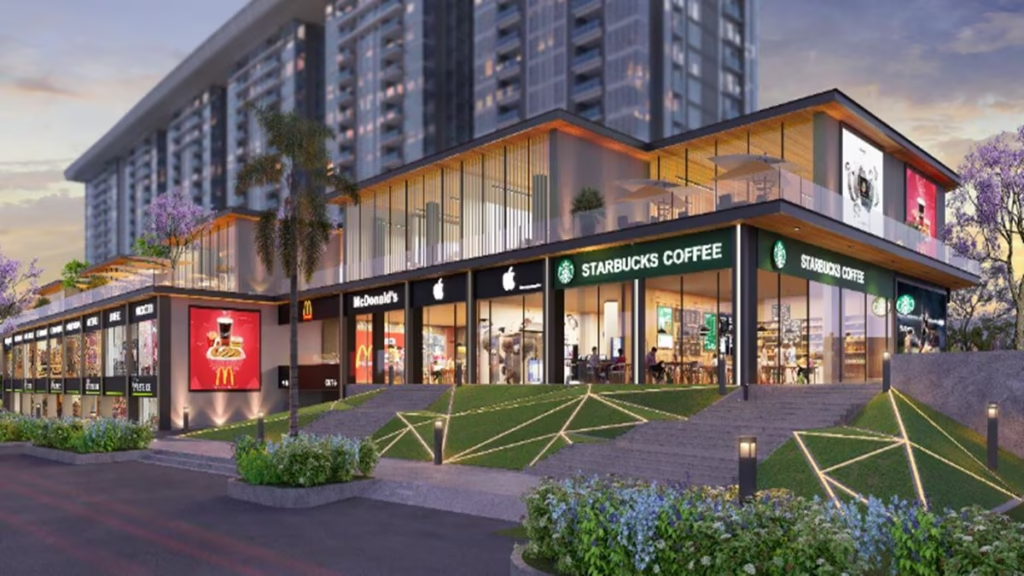
Retail franchising is one of the most visible and misunderstood business models in India. From food and fashion to jewellery and lifestyle brands, thousands of franchise stores open every year—yet not all of them succeed.
This pillar guide explains how retail franchising actually works in India, focusing on the three real drivers of success: inventory management, foot traffic, and location strategy. Whether you are a first-time investor or researching franchise opportunities seriously, this page gives you a practical, ground-level understanding.
A Simple Story: How Most People Enter Retail Franchising
Let’s start with a familiar story.
Rohit, a mid-career professional in Bengaluru, wanted to start a business without building a brand from scratch. Like many investors, he believed a known retail brand would automatically bring customers. He chose a franchise, paid the franchise fee, stocked inventory, and opened a store inside a commercial complex.
Six months later, sales were inconsistent. Inventory was moving slowly. Walk-ins were lower than expected.
What went wrong?
Not the brand. Not the product.
The real issue was location footfall and inventory planning—two things he didn’t fully understand before investing.
This is the reality for many retail franchise investors in India.
What Is Retail Franchising?
Retail franchising is a model where an investor operates a physical store under an established brand name, selling products directly to customers. The franchisor provides branding, sourcing, operational guidance, and sometimes technology support, while the franchisee manages day-to-day store operations.
In India, retail franchising dominates sectors such as:
- Food & beverage
- Fashion & apparel
- Jewellery & luxury retail
- Lifestyle & wellness
- Specialty and experience-based retail
But profitability depends less on category and more on execution fundamentals.
Inventory – Where Most Capital Gets Locked
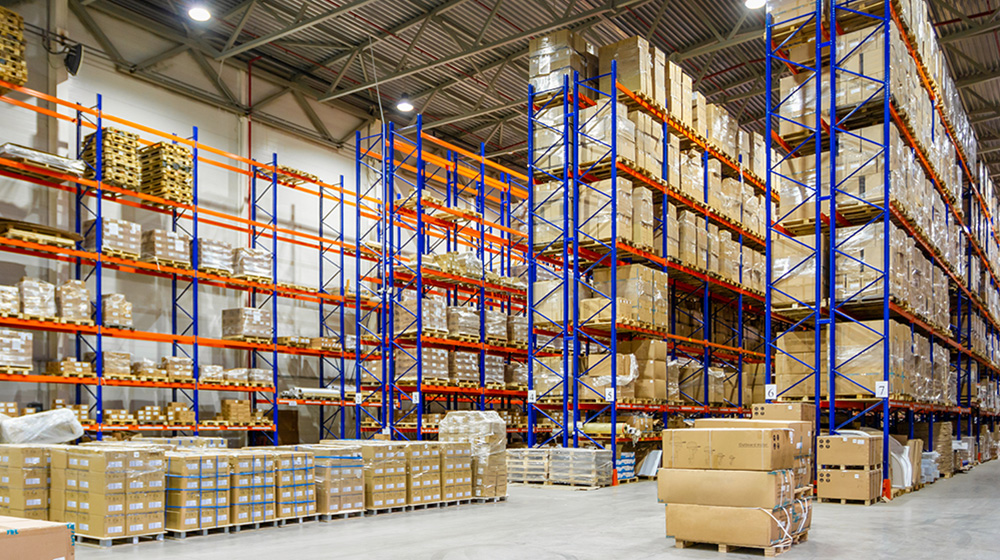
Inventory is the largest working capital component in retail franchising. Unlike service businesses, unsold inventory directly impacts cash flow.
In Indian retail franchises, successful inventory strategy focuses on:
- Fast inventory rotation over large stock volumes
- Region- and city-specific product mixes
- Seasonal demand planning (festivals, weddings, holidays)
- Centralised brand-controlled sourcing
For example, jewellery and fashion franchises in India plan inventory cycles around wedding seasons and festive demand, while food and lifestyle brands rely on weekly and weekend turnover.
Industry insights shared by Indian retail bodies frequently highlight that inventory efficiency—not discounting—drives sustainable margins.
Foot Traffic – The Real Revenue Engine

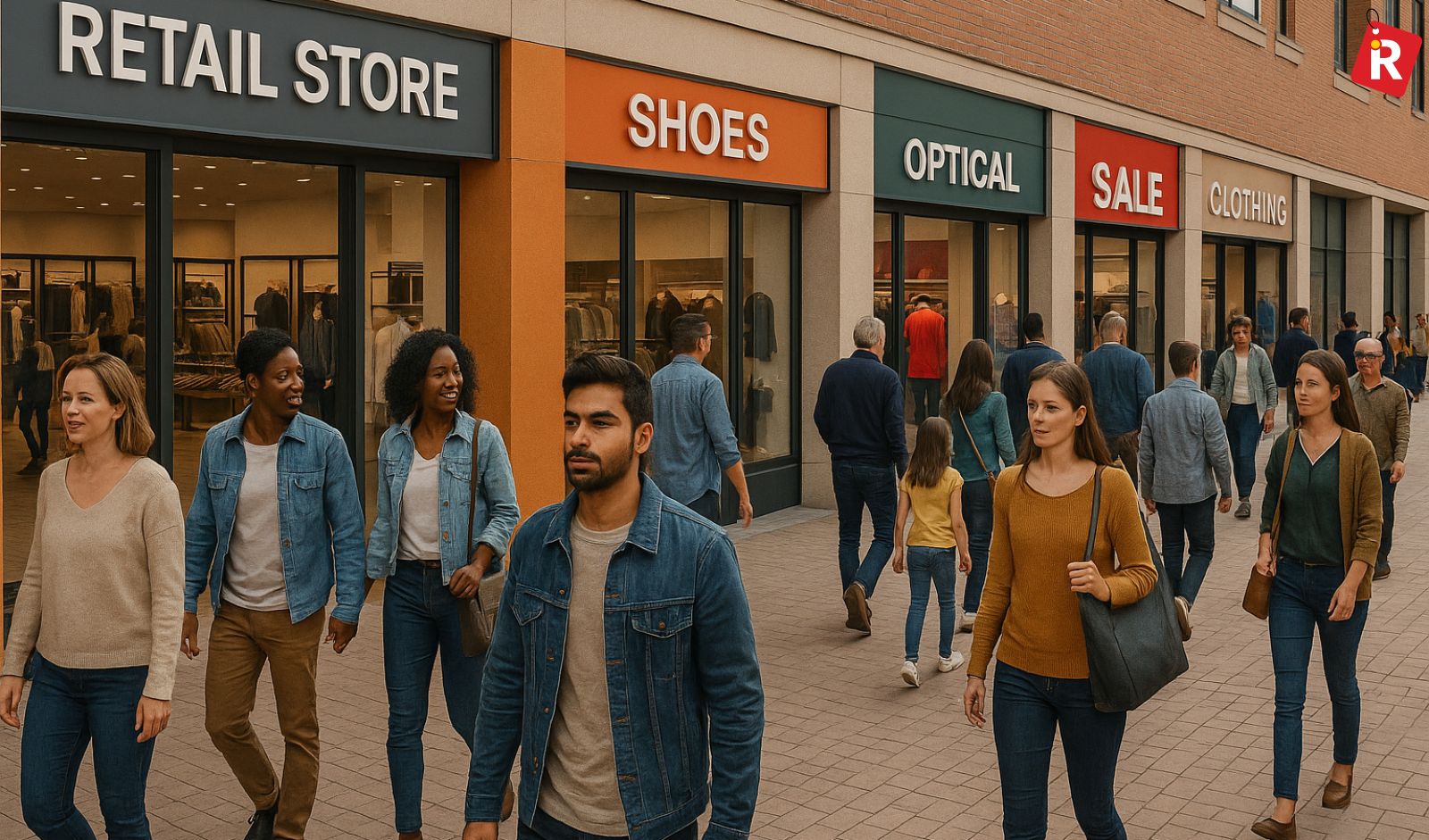
Foot traffic (walk-in customers) is the most underestimated factor in retail franchising.
In India, physical presence still plays a dominant role in buying behaviour. Customers prefer seeing products in person—especially in categories like jewellery, fashion, food, and lifestyle.
High-performing retail franchises are typically located in:
- Premium malls with anchor brands
- High streets with dense daily movement
- Transit-adjacent commercial zones
- Mixed-use residential and office hubs
Foot traffic reduces dependency on paid advertising and improves impulse and repeat purchases.
Location Strategy – The Make-or-Break Decision
Location strategy is where many first-time franchise investors compromise—and later regret it.
In India, a “good location” is not just about rent or square footage. It involves:
- Micro-market demographics
- Customer purchasing power
- Visibility and access
- Parking and convenience
- Future infrastructure and development
This is why most franchisors in India retain final approval rights on store locations—to protect both brand image and franchisee viability.
Mall vs High Street vs Neighbourhood Retail
Choosing the right retail format is as important as choosing the right franchise brand. In India, mall, high street, and neighbourhood retail each attract different customer behaviour and influence profitability in distinct ways.
Mall Retail: Experience-Led & Premium
Mall retail in India is destination-driven. Customers visit malls to spend time, browse, and shop across multiple brands. This format suits jewellery, fashion, lifestyle, and aspirational retail where experience and ambience influence purchase decisions.
Mall stores benefit from curated foot traffic and anchor brands but come with higher rents, fixed operating hours, and longer breakeven periods. They work best for investors with long-term vision and patience.
High Street Retail: Visibility & Daily Engagement
High street retail thrives on visibility and routine movement. Located on busy roads and commercial streets, these stores attract walk-ins through daily exposure rather than planned visits.
This format works well for food franchises, fashion, and jewellery brands that rely on frequent purchases and strong local recall. High street retail offers flexibility and faster traction, but success depends heavily on micro-location quality.
Neighbourhood Retail: Convenience & Repeat Business
Neighbourhood retail serves local residential areas and succeeds through proximity and trust. Customers visit because the store is close and reliable, not because it is visually striking.
Lower rentals and quicker breakeven make this format suitable for repeat-purchase and service-oriented franchises. However, growth is limited by catchment size.
How the Four Pillars Work Together
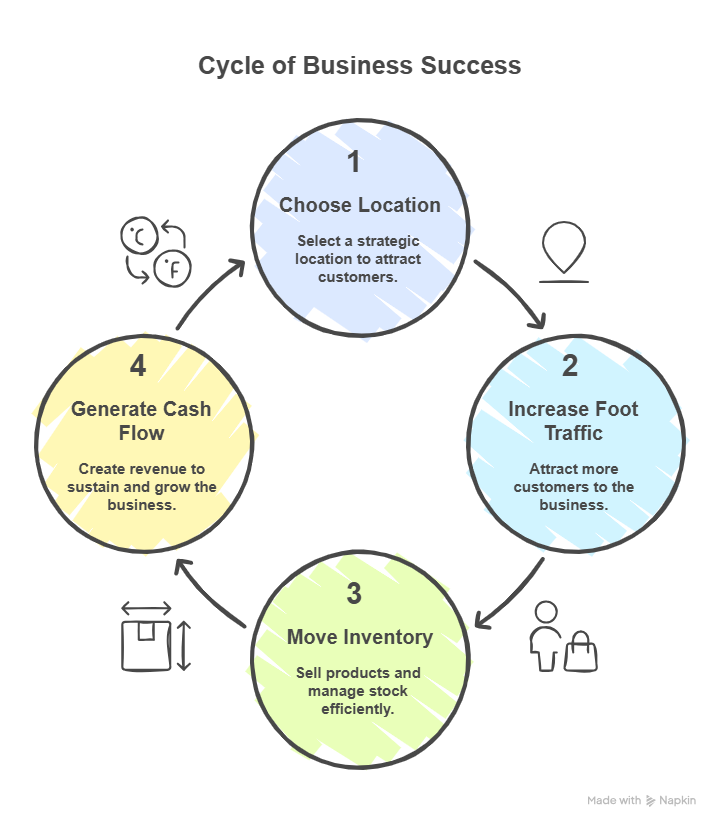
Think of retail franchising as a triangle:
- Location brings foot traffic
- Foot traffic moves inventory
- Inventory movement
- Generate cash flow
If one side weakens, the entire business struggles.
This interconnected system is what experienced retail investors evaluate—rather than focusing only on franchise fees or brand popularity.
Common Mistakes Retail Franchise Investors in India Make
- Choosing low-rent locations with poor footfall
- Over-investing in inventory without turnover planning
- Assuming marketing can replace location visibility
- Ignoring city-specific consumer behaviour
Most of these mistakes are preventable with proper feasibility analysis.
Retail Franchising Questions Answered
How do retail franchises make money in India?
By aligning inventory planning with high-footfall locations and efficient store operations.
Is retail franchising profitable in India?
Yes, when location, inventory, and customer demand are properly aligned.
Why do franchisors control location approval?
Because location directly impacts sales, brand perception, and long-term sustainability.
Which cities are best for retail franchise investment?
Metro and fast-growing Tier-1 cities with strong consumption density typically perform best.
Final Takeaway: Retail Franchising Is a System, Not a Shortcut
Retail franchising in India rewards investors who understand how inventory, foot traffic, and location work together. Brand name alone does not guarantee success—but operational alignment does.